A makeup palette might catch your eye with bright colors, shiny finishes, or a neat shape. However, true confidence in eye-area safety relies on hidden quality steps. Retail buyers must check pigment safety and microbial limits. They also need to review fallout control and consistent pressing methods. These checks must happen before a palette reaches the store shelf.
Eye Area Products Carry a Narrow Margin
A custom eyeshadow palette rests very close to the sensitive lash line. Therefore, safety checks must start early. Do this before you finalize your shade choices. Pigment safety and proper preservatives matter greatly. Clean powder and strong pan glue also shape how the final makeup performs.
OUYA BEAUTY makes makeup for eyes, faces, lips, and children. This broad background helps a lot. It proves useful when a custom eyeshadow palette needs bold looks alongside strict safety rules. Even a highly dramatic palette must act like a safe, well-tested eye item.
Pigment suitability
Pigment safety serves as the very first test. Not all color ingredients suit the delicate eye area across different countries. Bright neons, bold reds, deep blues, and chunky glitters require strict checking. You must clear them before adding them to a final retail shade list.
A thorough color check separates fun ideas from legal use. The exact same color tone might need totally different pigments depending on where it goes. Eye, cheek, and lip areas have different rules. Therefore, you must lock in your color layout before you approve the packaging artwork.
Talc-free formula creation plays a big role in OUYA BEAUTY’s new makeup line. For these specific items, the safety review must still check pigment rules. It must also verify raw material details and test the final goods. A new powder base changes everything. You must retest color pickup, skin payoff, powder drop, and pan durability. Compare these results against the master sample. Do not just assume old pressing steps will work the same way.
Microbial control
Microbial control keeps the powder safe at every single step. This covers receiving raw goods, mixing batches, pressing pans, and packing boxes. A 100k-class cleanroom environment helps a lot. Following GMPC and ISO22716 factory rules ensures a much cleaner production process.
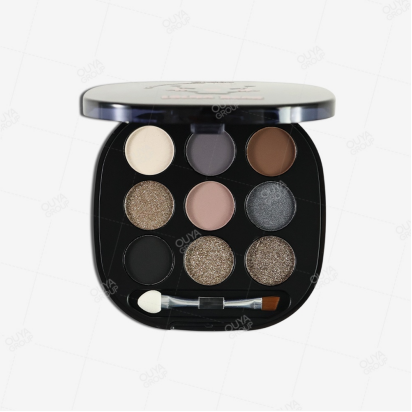
Fig 1: Customizable Lolita Bear 9-Color Eyeshadow Palette (EP02124124)
Pressing Quality Affects Both Safety and Use
Pressing quality controls how much makeup transfers to the brush. A very soft press creates messy dust and loose powder. On the other hand, a hard press ruins the color payoff. This forces buyers to scrub the pan too hard with their brushes.
|
Control point |
Why it matters |
Launch signal |
|---|---|---|
|
Raw color check |
Proves safe for eyes |
Lowers final approval risks |
|
Powder blending |
Spreads binders and colors well |
Makes color payoff steady |
|
Pan pressing |
Balances brush pickup and pan strength |
Stops loose dust and broken makeup |
|
Microbial testing |
Proves product hygiene |
Helps with export paperwork |
A trusted eyeshadow palette manufacturer must view texture, color payoff, and hygiene as connected steps. A pretty color that drops too much loose powder will fail in real life. Buyers simply will not like it.
Pressed makeup also requires a steady fill weight for every single pan. Tiny weight changes can alter color payoff and increase breaking risks. A strict fill target keeps everything uniform. It makes matte, shimmer, and glitter shades look perfectly even inside the case.
Palette Concepts Need a Clear Safety Map
Unique makeup ideas require a clear safety plan. Strange shapes and food-themed designs usually introduce new raw materials. A cookie shape, a 3D planet design, or a tiny travel case all need strict checks. They must pass the exact same tests as a standard square compact.
Keep pigments separate. Use eye-safe colors only for the eyes. Keep face and lip colors away from eye pans.
Check glitter sizes carefully. Verify local country rules before you approve any samples.
Test the color payoff after dropping the case. Check it after shaking tests and warm storage times.
Pick fun names for the colors. Do not use words that suggest the makeup is food or medicine.
OUYA BEAUTY offers many cosmetics ODM products. This includes eye makeup and unique color designs. Because of this, a private label eyeshadow palette project works best with early planning. You should review the packaging and the formula together from day one.
A case holding matte, shimmer, and glitter pans requires distinct texture goals for each type. A single basic test gives the lab a good starting point. However, specific checks for each finish are vital. They keep the glitter payoff, powder softness, and pan strength perfectly balanced.
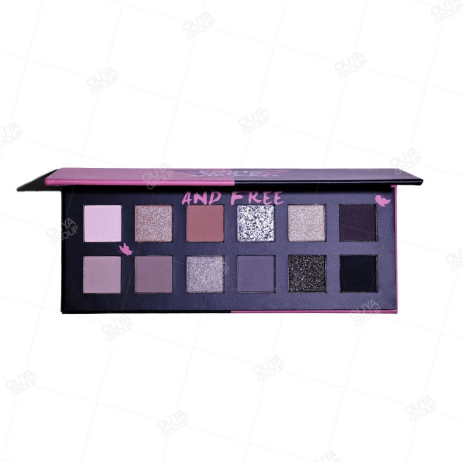
Fig 2: Professional Custom Label Black Cool Butterfly Eyeshadow Palette (EP02178178)
Scale Production Needs Repeatable Color and Texture
Mass production brings real pressure. A small lab sample and a massive factory batch act differently. Mixing times, binder spread, pressing power, and pan weights require exact records. Factory workers cannot rely on simple guesswork.
Brand teams benefit greatly from shipping tests. Broken makeup pans ruin customer trust instantly. This happens before the buyer even touches the makeup. Box fit, inner trays, and pan glue matter deeply. They belong in the exact same quality talks as color brightness.
Keeping a master sample helps future orders stay consistent. It gives factory teams a solid physical guide. They use it to check color depth, glitter spread, and top surface smoothness. It also helps them test color transfer and dust levels once mass production starts.
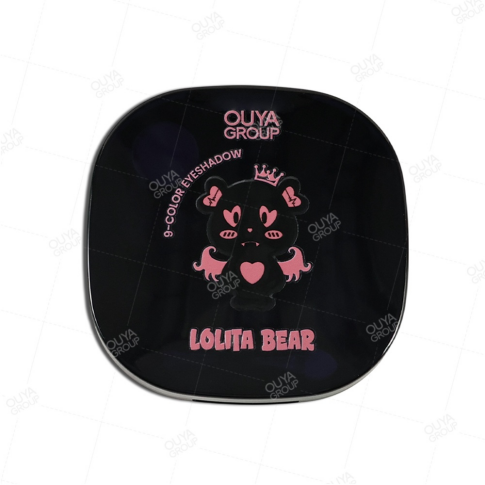
Fig 3: Customizable Lolita Bear 9-Color Eyeshadow Palette (EP02124124)
Final product checks must include the outer packaging. Mirrors, hinges, magnets, and plastic trays shape the buyer’s first impression. A great makeup formula loses its charm quickly. This happens if the compact leaks dust or the metal pan moves during shipping.
Batch approval
Approving a factory batch requires a saved master sample. You must check color, brush pickup, top finish, and drop strength. Brand owners face fewer bad surprises this way. Every new batch gets compared against the exact same physical item.
Documentation path
Good paperwork matters heavily for Western store buyers. Eye makeup often faces tough questions. Buyers ask about color safety, bacteria counts, heavy metals, and factory cleanliness. Working with a smart cosmetic OEM factory helps. If they know export paperwork, they make your product launch much smoother.
A helpful document folder contains several key items. It needs the exact formula details, color safety checks, and batch notes. It should also include bacteria tests, heavy metal reports, and packaging check notes. These files give store buyers fast answers. They keep the brand story simple and prevent delays in your launch schedule.
Having these records ready also helps with future restocks. It allows repeat factory orders to move forward with fewer delays.
Summary for Safer Eyeshadow Launches
Eye safety tests work best during the early design phase. Do not leave them for the very end. The best product plan links your color dreams with strict safety rules. It covers pigment checks, bacteria limits, pressing methods, and steady batch results.
During early talks, share all your details at once. Send the color list, desired glitter levels, and pan layout. Also share your target country, box design, and texture goals. This helps the factory make samples that match your actual retail vision.
FAQ
Why is eye-area pigment review important?
Checking eye pigments stops a bad color from entering production. You must know its legal use first. Certain bright tones or chunky glitters require extra legal checks. You must clear them before stores will accept the goods.
What causes eyeshadow fallout?
Loose powder drops happen for several reasons. A soft press, bad liquid binders, rough glitters, or weak glue can cause it. Proper lab work fixes this issue. It balances brush pickup, bright color, and neat dust control.
Does a cleanroom standard replace testing?
No, it does not. A clean factory space simply aids daily hygiene. Final lab testing still proves the actual product quality. Both actions remain vital for a safe and successful makeup launch.
Which keywords guided this eyeshadow topic?
The main focus words included custom eyeshadow palette, eyeshadow palette manufacturer, and private label eyeshadow palette. Other terms were custom eyeshadow palette manufacturers, eyeshadow manufacturing process, and custom eyeshadow.
What details help factory sampling?
Helpful project details include color guides, finish styles, and pan sizes. You should also share the box shape and target country. Mention any vegan or cruelty-free needs. Finally, state your strict limits for loose powder drops.